One of the most common frustrations I hear from clients is: "I've been exercising consistently for weeks, but the scale hasn't budged!" This discouragement often leads people to abandon their fitness journey just when meaningful changes are happening beneath the surface. Today, I want to address a crucial misconception that could be undermining your motivation …

One of the most common frustrations I hear from clients is: “I’ve been exercising consistently for weeks, but the scale hasn’t budged!” This discouragement often leads people to abandon their fitness journey just when meaningful changes are happening beneath the surface.
Today, I want to address a crucial misconception that could be undermining your motivation and help you understand why the number on your scale doesn’t tell the whole story.
Understanding the Difference
Weight loss refers to a reduction in your total body weight as measured on a scale. This number encompasses everything: fat, muscle, bone, water, and even the contents of your digestive system at any given moment.
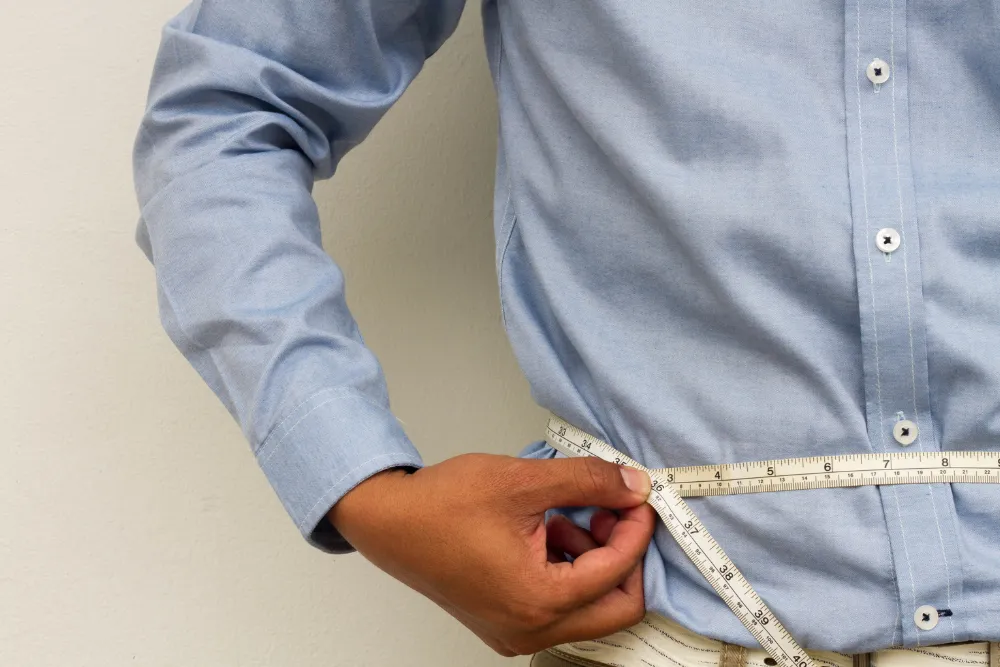
Inch loss measures the reduction in your body’s circumference at specific points like your waist, hips, thighs, or arms. It reflects changes in your body composition and shape rather than just mass.
While these two concepts are related, they are far from identical, and understanding this distinction is essential for anyone on a fitness journey.
Why the Scale Can Be Misleading
Working with the body’s mechanical and functional capabilities daily, here’s what the scale simply cannot capture:
Muscle vs Fat Density
When you engage in resistance training or therapeutic exercises, your body begins building lean muscle tissue. Muscle is significantly denser than fat tissue. This means you can lose fat volume while maintaining or even gaining weight if you’re simultaneously building muscle. The result? Your clothes fit better, you look leaner, and you’re functionally stronger, but your weight might stay the same or even increase slightly.
Water Retention Fluctuations
Body weight can fluctuate by several pounds throughout the day due to hydration status, sodium intake, hormonal changes, and inflammation from exercise. After an intensive workout, your muscles may retain water as part of the natural repair process. This temporary weight gain is actually a sign of positive adaptation, not failure.
Postural Improvements
Correcting postural dysfunctions and alignment issues can make you appear inches slimmer instantly, even without any actual tissue loss. When you stand taller with proper spinal alignment and engaged core musculature, your waistline naturally appears smaller.
The Value of Inch Loss
Body measurements provide a far more accurate picture of health progress than weight alone. Here’s why:
Functional Body Composition Changes: The goal is rarely just weight reduction. We aim to improve functional capacity, reduce pain, enhance mobility, and optimize body mechanics. These improvements are reflected in inch loss as you develop better muscle tone and reduce visceral fat around organs.
Motivation and Adherence: Clients who track measurements alongside weight tend to stay more committed to their programs. When the scale plateaus but they’ve lost two inches from their waist, they have tangible evidence that their efforts are working.
Health Risk Assessment: From a medical perspective, waist circumference is actually a better predictor of metabolic health risks than BMI or total weight. Reducing inches around your midsection indicates a decrease in visceral fat, which is strongly linked to cardiovascular disease, diabetes, and other metabolic conditions.
Practical Recommendations for Tracking Progress
Use Multiple Metrics: Don’t rely solely on your scale. Take body measurements every two to four weeks at the same time of day. Measure your waist, hips, chest, arms, and thighs.
Focus on Function: How do you feel? Can you climb stairs more easily? Is your back pain improving? Has your energy increased? These functional improvements are often more valuable than any number.
Take Progress Photos: Visual documentation every four weeks can reveal changes that measurements and scales might miss. The human eye is remarkably good at detecting body composition shifts over time.
Consider Body Composition Analysis: If available, technologies like DEXA scans or bioelectrical impedance can provide insights into your actual fat mass versus lean mass ratio.
Be Patient with Strength Training: If your program includes resistance exercises, remember that initial muscle gains can temporarily mask fat loss on the scale. This is a positive adaptation, not a setback.
The Bottom Line
The body should be viewed through a lens of function, mechanics, and overall health rather than just numbers. While weight loss can be a valid goal, inch loss and improvements in body composition are often far better indicators of meaningful progress toward a healthier, more functional you.
The scale measures your relationship with gravity. Body measurements, functional capacity, pain levels, energy, and how you feel in your body measure your relationship with health.
If you’ve been discouraged by a stagnant scale despite consistent effort, I encourage you to shift your focus. Measure your waist, notice how your clothes fit, pay attention to your strength gains, and celebrate the functional improvements you’re experiencing. Your body is likely transforming in ways that matter far more than what any scale could ever tell you.
Ready to transform your approach to fitness and wellness? Book your comprehensive assessment at Physioveda® Dubai today and discover what your body is truly capable of achieving.
Book a Consultation
It’s easy and free!