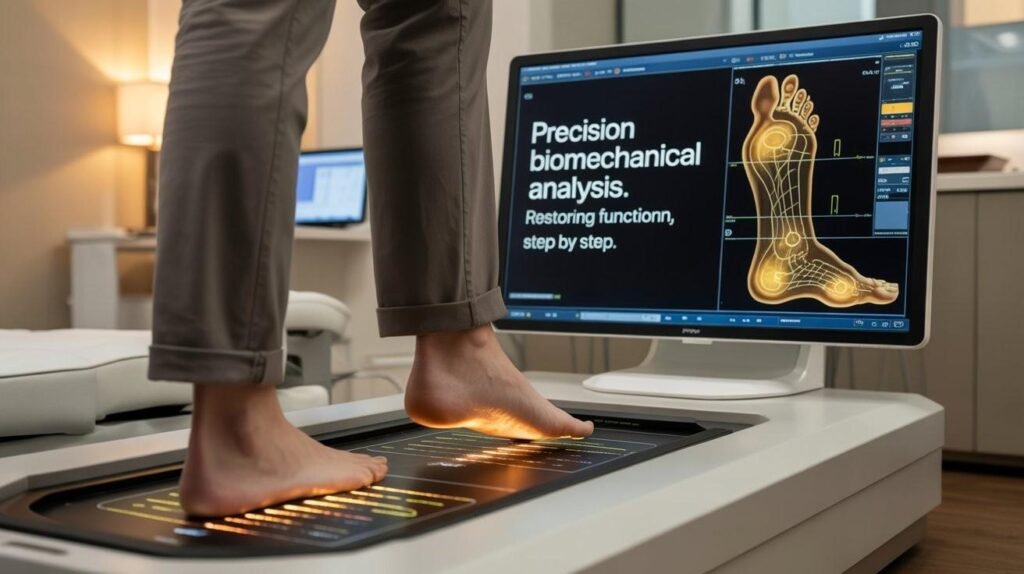
Physiotherapy for pneumonia helps improve breathing, clear chest congestion, and speed lung recovery. Learn expert techniques, benefits, and when to seek respiratory physiotherapy in Dubai.

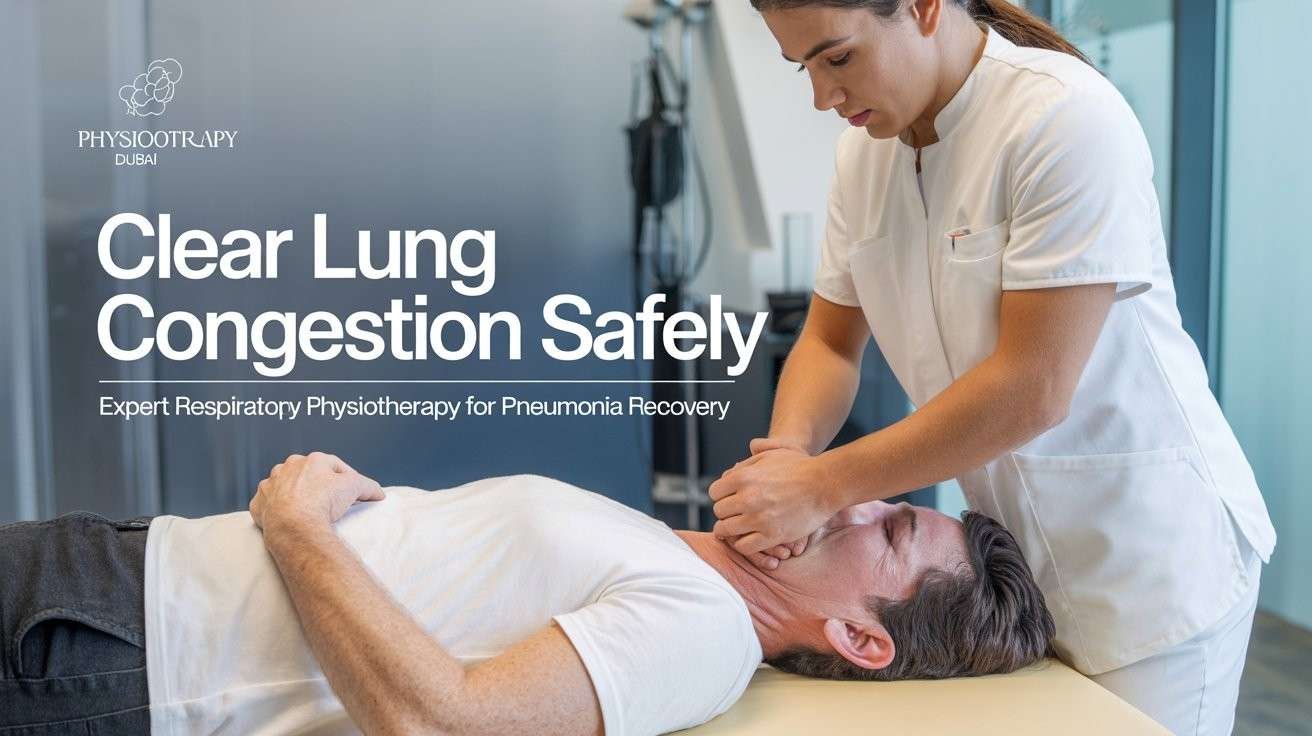
Physiotherapy for pneumonia
Why physiotherapy for pneumonia matters Pneumonia inflames the air sacs in one or both lungs and can cause cough, fever, breathlessness and reduced oxygen levels. While antibiotics, antivirals and oxygen remain the medical cornerstones of treatment, physiotherapy for pneumonia plays a vital supportive role for many patients helping clear secretions, improve lung expansion, restore breathing control and speed functional recovery. For patients in Dubai who need clinic based or home chest rehabilitation, specialist respiratory physiotherapy reduces complications and helps you return to normal activity sooner.
What exactly does physiotherapy for pneumonia do?
Physiotherapy for pneumonia
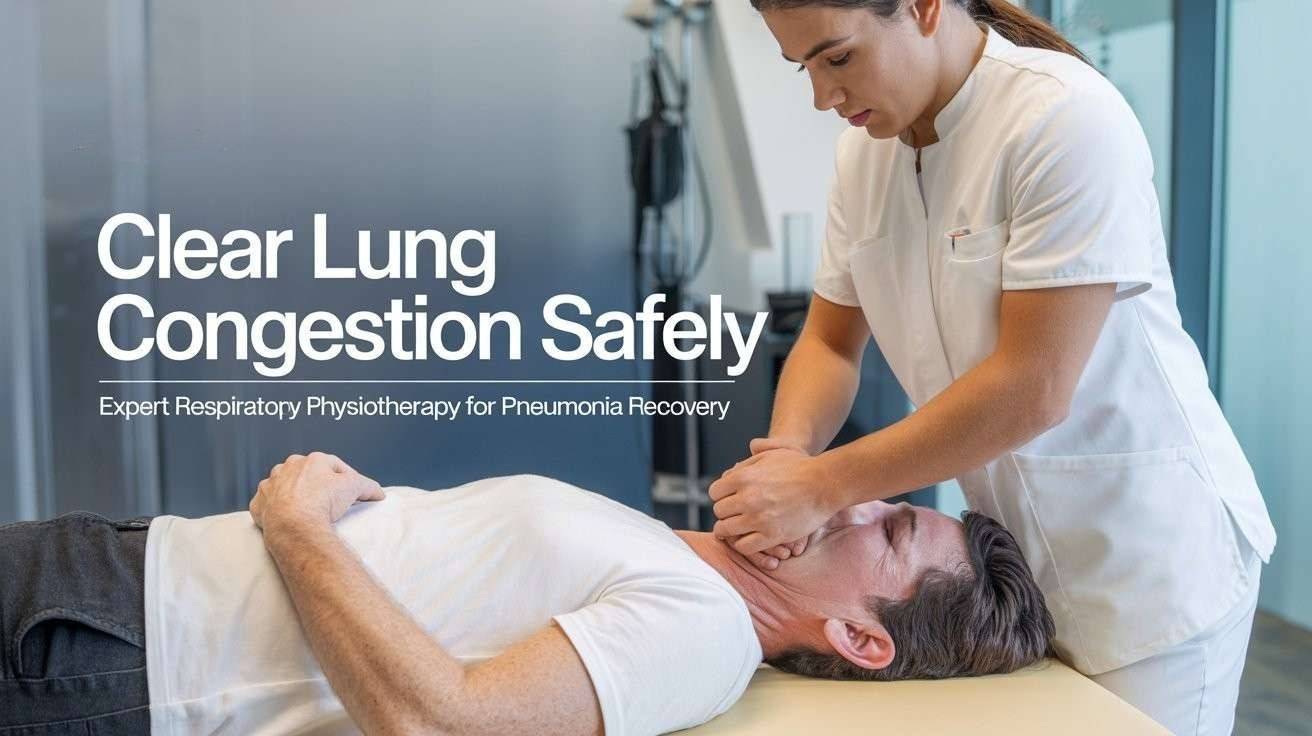
Physiotherapy for pneumonia includes assessment and treatments that aim to:
Promote effective airway clearance (helping bring up sputum).
Improve ventilation and lung volumes through breathing exercises and incentive spirometry.
Reduce breathlessness using breathing control and pacing techniques.
Prevent complications (like atelectasis) through early mobilisation and posture advice.
These goals are achieved with a mix of evidence based airway clearance techniques, breathing retraining, manual techniques when indicated, and progressive mobilization.
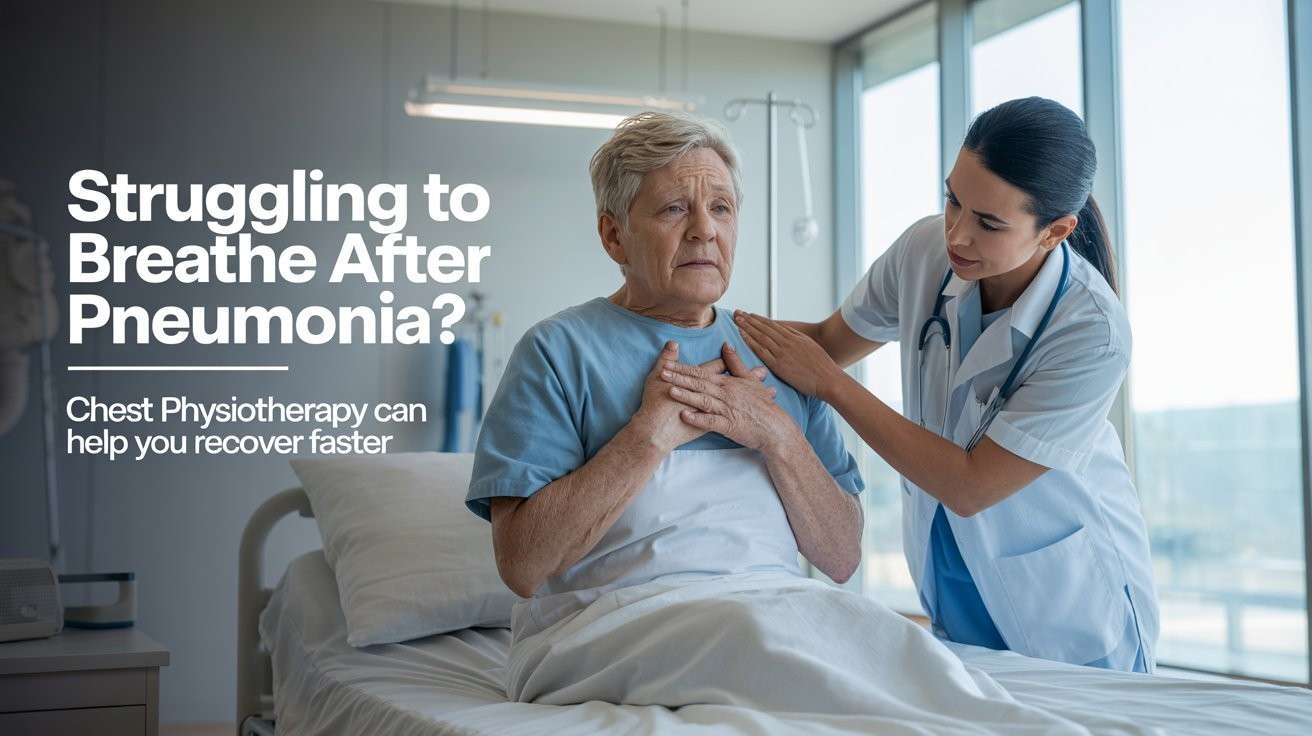
Chest physiotherapy plays an important role in supporting recovery from pneumonia by helping clear mucus, improve lung expansion, and reduce breathlessness. When infection causes congestion in the lungs, targeted breathing techniques and airway clearance methods can make it easier to cough effectively and restore normal oxygen flow. With guided chest physiotherapy, patients often experience faster improvement in breathing comfort, better mobility, and a smoother return to daily activities under professional supervision.
Common techniques used in chest physiotherapy for pneumonia

Below are the techniques an experienced respiratory physiotherapist may choose depending on your symptoms, sputum load, oxygenation and overall health.
Active Cycle of Breathing Technique (ACBT) a patient led sequence of breathing control, deep breaths (thoracic expansion) and huffing/coughing to move secretions up the airway. Widely taught and effective for secretion clearance.
Positive Expiratory Pressure (PEP) and oscillating PEP devices devices (like Acapella/Flutter) that create back-pressure during exhalation to mobilise secretions from small airways. Helpful when sputum is tenacious.
Postural drainage and positioning using gravity-assisted positions to target specific lung segments plus effective cough techniques. Clinical guidelines often recommend careful, individualised positioning.
Breathing exercises & incentive spirometry deep breathing, diaphragmatic breathing and incentive spirometers improve inspiratory volumes and reduce atelectasis risk. These are standard patient self-management tools.
Early mobilisation & functional rehab gentle walking and progressive activity help re-expand lungs, improve ventilation-perfusion matching and reduce deconditioning. This is central to good recovery.
Manual techniques (percussion, vibration) used selectively when indicated; evidence is mixed and application should be tailored by the physiotherapist
What does the evidence say about physiotherapy for pneumonia

Research on physiotherapy for pneumonia suggests that airway clearance techniques and breathing retraining can help clear sputum and improve symptoms in selected patients; however, routine chest physiotherapy for all adults with pneumonia is not strongly supported by high certainty evidence. Systematic reviews and Cochrane analyses emphasise that physiotherapy should be individualised targeted to patients with retained secretions, poor cough, difficulty clearing sputum, or those at high risk of complications. In practice this means assessment by a respiratory physiotherapist to decide which techniques (if any) are appropriate.
What this means for you: If you have productive cough, visible sputum, low oxygen saturation or significant breathlessness limiting mobilisation physiotherapy for pneumonia is more likely to help. If your infection is mild, breathing exercises and early activity may be sufficient
Who benefits most from physiotherapy for pneumonia?
Physiotherapy is most useful when any of the following apply:
Weak or ineffective cough with retained secretions.
Reduced oxygenation or radiological consolidation affecting ventilation in large lung areas.
Patients with neuromuscular weakness, elderly people, or those with chronic lung disease (COPD, bronchiectasis) who struggle to clear secretions.
People at risk of deconditioning who need guided, progressive mobilisation.
Physiotherapy for pneumonia
Safety and when NOT to perform aggressive physiotherapy for pneumonia
Certain clinical signs require caution or medical stabilisation first (for example severe haemodynamic instability, untreated pneumothorax, uncontrolled bleeding, or severely low oxygen levels). A qualified physiotherapist will always liaise with your medical team and obtain appropriate monitoring (oxygen, vitals) before interventions. Follow professional guidelines and local hospital protocols.
Physiotherapy for pneumonia
What to expect during a session at a specialist clinic for physiotherapy for pneumonia
A typical physiotherapy for pneumonia appointment includes:
Clinical assessment: breathing pattern, cough effectiveness, chest auscultation, oxygen saturation and functional mobility.
Individualised treatment plan: choice of airway clearance techniques (ACBT, PEP), manual assistance if required, breathing retraining and mobilisation targets.
Education: how to use devices, self-management breathing cycles, when to cough safely, and how to pace activity.
Follow-up plan: daily home programme or repeated clinic/home visits until clinical improvement.
By combining clinical expertise with measurement (SpO₂, respiratory rate), the physiotherapist ensures treatments are safe and goal oriented.
Physiotherapy for pneumonia
Why Choose Specialist Respiratory Physiotherapy for Pneumonia in Dubai?
Choosing a DHA licensed clinic with experience in chest physiotherapy ensures you receive evidence-based, monitored care, especially important for elderly patients, post COVID pneumonia cases and patients with comorbid respiratory disease. At a specialised centre you’ll get access to trained therapists, PEP/oscillatory devices, homecare options and a multidisciplinary team when required
Practical home tips while you recover from physiotherapy for pneumonia
Practice deep breathing exercises several times daily (3–5 cycles of deep breaths followed by controlled breathing). Use an incentive spirometer if provided.
Use huffing (short, forced expirations) to move sputum up the airway before coughing.
Stay upright and mobile . Frequent short walks around the house help lung expansion and prevent deconditioning.
Keep hydrated — thinner secretions are easier to clear.
Only perform manual percussion or vigorous techniques under therapist’s instruction
FAQs about physiotherapy for pneumonia
Physiotherapy for pneumonia
Does physiotherapy cure pneumonia?
No — antibiotics/antivirals and medical care treat the infection itself. Physiotherapy for pneumonia is an evidence based supportive therapy that helps clear secretions, improve breathing and speed functional recovery when clinically indicated.
How soon after diagnosis should I see a physiotherapist?
If you have difficulty clearing sputum, breathlessness limiting activity, or are high-risk (elderly, chronic lung disease), contact a respiratory physiotherapist as soon as possible. For mild cases, home breathing exercises and gradual activity may be adequate.
Are chest physiotherapy techniques painful?
No — most techniques (breathing exercises, ACBT, PEP) are comfortable. Manual techniques should be gentle; tell your therapist about pain so they can modify treatment.
Can I get physiotherapy at home?
Yes. Home physiotherapy and supervised chest clearance programs are common and appropriate for many patients — especially those who find clinic visits difficult. Confirm your clinic offers home visits.
: Is chest physiotherapy supported by research?
Yes — many airway clearance techniques are supported for selected patients, but routine use for every adult with pneumonia is not universally recommended. Individualised assessment is essential.
Conclusion about physiotherapy for pneumonia
Physiotherapy for pneumonia is a targeted, evidence based adjunct to medical care when chosen for the right patients. If you or a loved one are experiencing productive cough, difficulty clearing sputum, persistent breathlessness or slowed recovery after pneumonia, a specialist respiratory physiotherapist can assess, prescribe tailored airway clearance techniques, and safely guide mobilisation.
For expert, DHA licensed physiotherapy for pneumonia in Dubai, including clinic and home visits — book a consultation with Physioveda Medical Center or call the clinic to discuss a personalised chest physiotherapy programme.
Related Services & Expert Care at Physioveda
For patients looking to strengthen overall recovery after infection, you may also find our guide on Home Physiotherapy Services in Dubai helpful, especially if mobility is limited during pneumonia recovery. Additionally, our detailed article on Can Physiotherapy Help a Herniated Disc. For daily recovery tips and expert guidance, follow us on Instagram, where we regularly share physiotherapy insights and patient education content.
Physiotherapy for pneumonia
Book a Consultation
It’s easy and free!
Tags:“airway clearance therapy for pneumonia”“benefits of physiotherapy for lung health”“breathing exercises for pneumonia recovery”“chest clearance physiotherapy in Dubai”“DHA licensed physiotherapist in Dubai”“Dubai respiratory physio specialists”“home physiotherapy for pneumonia”“lung expansion exercises physiotherapy”“pneumonia chest physiotherapy”“pneumonia recovery physiotherapy tips”“post-pneumonia rehabilitation physiotherapy”“respiratory physiotherapy techniques”“when to seek respiratory physiotherapy for pneumoniaphysiotherapy for pneumonia”