If you've ever caught your reflection and noticed your shoulders rolling forward, you're not alone. Rounded shoulders have become increasingly common in our screen-dominated world, affecting everyone from office workers to students to avid gamers. The good news? This postural issue is entirely fixable with the right approach. Understanding Rounded Shoulders Rounded shoulders occur when …

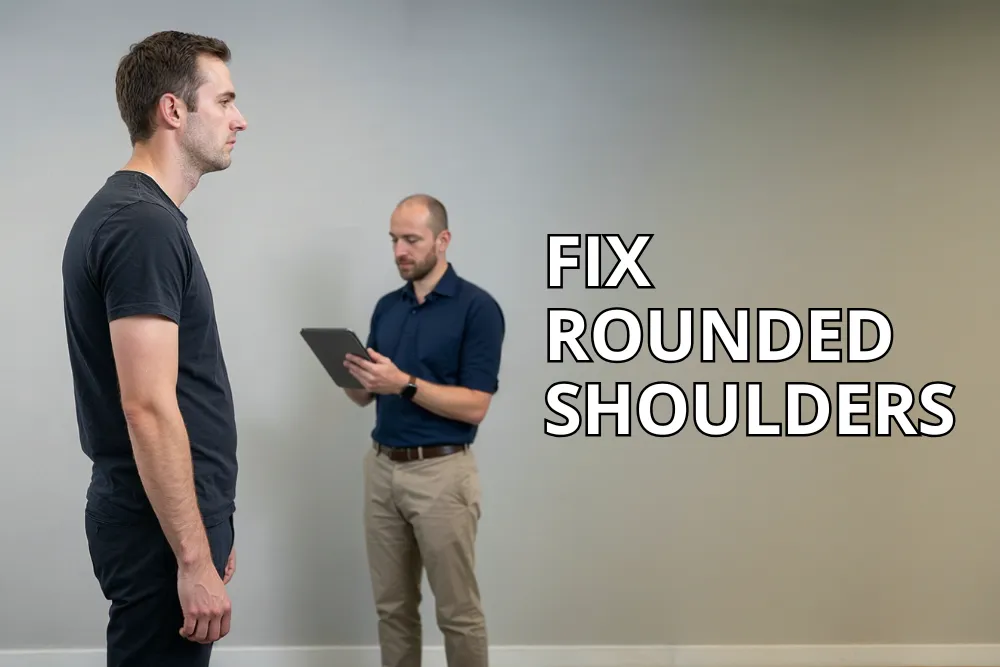
If you’ve ever caught your reflection and noticed your shoulders rolling forward, you’re not alone. Rounded shoulders have become increasingly common in our screen-dominated world, affecting everyone from office workers to students to avid gamers. The good news? This postural issue is entirely fixable with the right approach.
Understanding Rounded Shoulders
Rounded shoulders occur when your shoulder blades rotate forward and your upper back curves more than it should. This posture creates that hunched appearance and can lead to neck pain, shoulder discomfort, and even headaches over time.
The main culprits are:
- Tight, shortened chest muscles from spending hours hunched over devices
- Weak, overstretched upper back muscles that can’t hold your shoulders in proper alignment
- Poor daily habits that reinforce the forward position
The Fix: A Three-Pronged Approach
1. Strengthen Your Upper Back
Your upper back muscles are the unsung heroes of good posture. When they’re strong, they naturally pull your shoulders back into proper alignment.
Best exercises:
- Face Pulls are particularly effective. Using a cable machine or resistance band at face height, pull the band toward your face while squeezing your shoulder blades together. Think about pulling your elbows back rather than just moving your hands.
- Rows in any variation (bent-over, seated, single-arm) train your back to do what it does best: retract those shoulder blades. Focus on the squeeze at the end of each rep rather than just moving weight.
- Reverse Flys target the rear deltoids and upper back. Whether using dumbbells or a machine, the key is keeping your chest proud and squeezing your shoulder blades together.
Aim for 2-3 sets of 12-15 reps, performed 2-3 times per week. You don’t need heavy weights here; proper form and that focused squeeze matter far more than the numbers on the dumbbells.
2. Stretch Your Chest
While you’re strengthening your back, you also need to lengthen those tight chest muscles that are pulling your shoulders forward.
- Doorway stretches are simple and effective. Place your forearm vertically along a door frame with your elbow at shoulder height, then gently rotate your body away from your arm. You should feel a stretch across your chest and the front of your shoulder. Hold for 30-60 seconds on each side.
- Floor chest stretches involve lying face-up on the floor with your arms extended out to the sides at shoulder height, palms up. Just relax into the position and let gravity do the work.
Make stretching a daily habit. Consider doing these stretches morning and evening, or at least once during your workday.
3. Fix Your Daily Habits
All the exercises in the world won’t help if you spend 8 hours a day reinforcing bad posture. Here’s how to set yourself up for success:
- Optimize your workspace. Your computer screen should be at eye level so you’re not looking down. Your elbows should rest at roughly 90 degrees, and your feet should be flat on the floor.
- Move frequently. Set a timer to remind yourself to stand up and move every 30 minutes. Even just standing and doing a few shoulder rolls makes a difference.
- Practice wall angels. Stand with your back flat against a wall, feet a few inches out. Press your lower back, shoulders, and head against the wall. Raise your arms into a “goal post” position and slowly slide them up and down the wall while maintaining contact. This exercise retrains the proper shoulder position.
Additional Techniques
- Foam rolling your chest and lats (the muscles on the sides of your back under your armpits) can help release tension. A lacrosse ball against a wall gives you more targeted pressure for stubborn knots.
- Chin tucks are excellent for addressing the forward head posture that often accompanies rounded shoulders. Gently pull your chin straight back (not down) as if making a double chin, hold for a few seconds, and release.
What to Expect
Be patient with yourself. You’re essentially retraining your body’s default position after potentially years of reinforcing the wrong pattern. Most people notice meaningful improvements within 4-6 weeks of consistent effort, but full correction can take several months.
Start small. Just 5-10 minutes of stretching daily plus two strengthening sessions per week is enough to begin seeing changes. As these habits become routine, you can add more exercises or increase intensity.
When to seek professional help: If you’ve been consistent with these exercises for 6-8 weeks without improvement, or if you’re experiencing pain alongside your rounded shoulders, consider consulting a physiotherapist. They can assess whether there are underlying issues like muscle imbalances, joint restrictions, or nerve involvement that need specialized treatment. A physiotherapist can also create a personalized program tailored to your specific posture issues and lifestyle.
The Bottom Line
Fixing rounded shoulders isn’t about a quick fix or a single exercise. It’s about consistently strengthening weak muscles, stretching tight ones, and most importantly, being mindful of your posture throughout the day. The effort is worth it, not just for how you look, but for how you feel. Better posture means less pain, more confidence, and a body that functions the way it’s meant to.
At Physioveda, our specialized posture correction treatment in Dubai combines expert assessment, personalized exercise programs, and hands-on therapy to help you achieve lasting results. Don’t let rounded shoulders hold you back. Book your consultation today and take the first step toward better posture, less pain, and greater confidence.
Book a Consultation
It’s easy and free!